Monk Fruit 101: Your Essential Questions Answered
What Exactly is Monk Fruit?
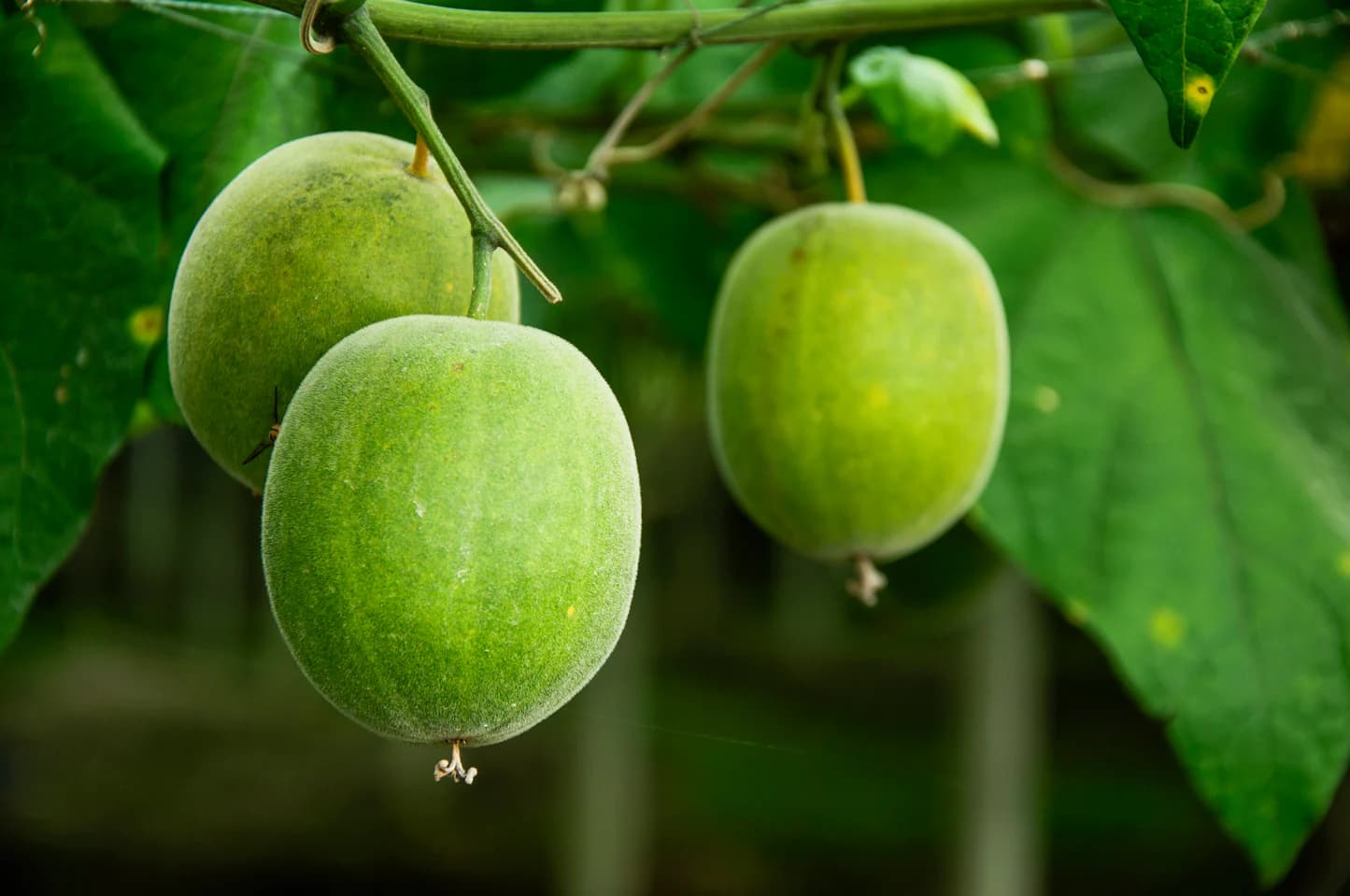
Monk fruit, known scientifically as Siraitia grosvenorii and traditionally called Luo Han Guo, is a small green melon native to Southern China and Northern Thailand. For centuries, it has been used in Traditional Chinese Medicine and as a natural sweetener. The intense sweetness comes from natural antioxidants called mogrosides, which are extracted from the dried fruit.
How Does Monk Fruit Sweeten Without Sugar or Calories?
Unlike sugar (sucrose), which is a carbohydrate the body metabolizes for energy, the mogrosides in monk fruit are not processed by the digestive system in the same way. They pass through the body without being broken down into glucose, which is why monk fruit contributes no calories and has no effect on blood glucose levels. It provides the sensation of sweetness on the tongue without the metabolic impact of sugar.
What's the Difference Between Monk Fruit Liquid and Powder?
This is the most common point of confusion. The two forms serve different purposes:
Monk Fruit Liquid (Infusion/Extract):
What it is: A highly concentrated liquid. A single bottle contains the extracted sweetness of many fruits.
How to use it: By the drop. Typically, 4-6 drops equals the sweetness of one teaspoon of sugar. It must be diluted in food or drink.
Best for: Sweetening beverages (coffee, tea, lemonade), yogurt, oatmeal, salad dressings, and sauces. It dissolves instantly.
Monk Fruit Powder (often with a carrier):
What it is: The extract blended with a benign, plant-based powder to give it bulk and make it measurable, similar to sugar. Common carriers include tapioca fiber, inulin, or erythritol. Our specific powder uses organic tapioca fiber.
How to use it: By the spoonful. It has a standard conversion ratio (e.g., 1/3 tsp powder = 1 tsp sugar). Check your product's label.
Best for: Baking, cooking, and any recipe where you need to replace the volume and function of granulated sugar, not just the sweetness.
Can I Use Monk Fruit for Baking?
Yes, but you must use the correct product and technique.
Use Monk Fruit Powder, not the liquid extract, for baking. Baking relies on sugar for sweetness, moisture, texture, and browning. The powder provides the necessary bulk.
Follow conversion guidelines. Do not swap 1 cup of sugar for 1 cup of powder. Our powder, for example, uses a 1:3 ratio (use 1/3 the volume).
Adjust your recipes: Because you're using less dry ingredient, you may need to add a little extra liquid (like milk or yogurt) or fat to maintain moisture. Expect less browning, as monk fruit doesn't caramelize like sugar.
Does Monk Fruit Have a Weird Aftertaste?
High-quality, pure monk fruit extract should have a clean, sweet taste with no bitter, metallic, or licorice-like aftertaste, which is a common complaint with some other natural sweeteners like stevia. Any aftertaste usually comes from the carrier ingredient in powders (like erythritol, which has a cooling effect). Our liquid infusion has zero aftertaste, and our powder uses neutral-tasting tapioca fiber.
Is Monk Fruit Safe?
Monk fruit sweeteners have a strong safety profile.
Regulatory Status: Monk fruit extract (mogrosides) is approved as a safe food ingredient by major regulatory bodies worldwide, including the FDA in the United States, Health Canada, and is authorized as a Novel Food in the European Union and United Kingdom.
Historical Use: It has a long history of safe use in East Asia.
General Tolerance: It is generally well-tolerated by most people, including those with digestive sensitivities to sugar alcohols (like erythritol or xylitol), as pure monk fruit is not a FODMAP.
Is Monk Fruit Keto-Friendly?
Yes. Pure monk fruit contains zero net carbs and zero calories, making it an excellent sweetener for ketogenic and other low-carb diets. Always check the label of powdered blends, as the carrier ingredient may add a minimal amount of carbs (our tapioca fiber blend adds negligible net carbs).
Can Diabetics Use Monk Fruit?
Monk fruit sweetener does not raise blood glucose or insulin levels, as it contains no carbohydrates that the body can convert to glucose. Many people managing diabetes choose it as a sugar alternative. However, it is crucial to note: Individuals with diabetes should always consult with their doctor or dietitian before making changes to their diet, as individual responses can vary and medical guidance is paramount.
How Do I Store Monk Fruit?
Liquid Extract/Infusion: Store in a cool, dark place (like a pantry). Refrigeration is not required but can extend shelf life. The bottle may last for years due to its high concentration.
Powder: Store in a sealed container in a cool, dry place, away from direct sunlight and moisture. It has a long shelf life similar to sugar.
Why is Monk Fruit More Expensive Than Sugar?
The cost reflects the production process. Monk fruit is a specialty crop that must be hand-harvested. It takes a significant amount of fruit to produce a small amount of potent extract. While the upfront cost is higher, a little goes a very long way—especially the liquid infusion—making the cost-per-use quite reasonable.
Have more questions? Our customer service team is here to help you find the right product and usage tips for your lifestyle. [Contact us here].
Share this article
About the Author
Lamonko Team is passionate about natural health and wellness. Our team shares insights, recipes, and tips to help you live a healthier, more balanced life with natural sweeteners.