Monk Fruit Sweetener & Gut Health: What You Need to Know About Digestive Wellness
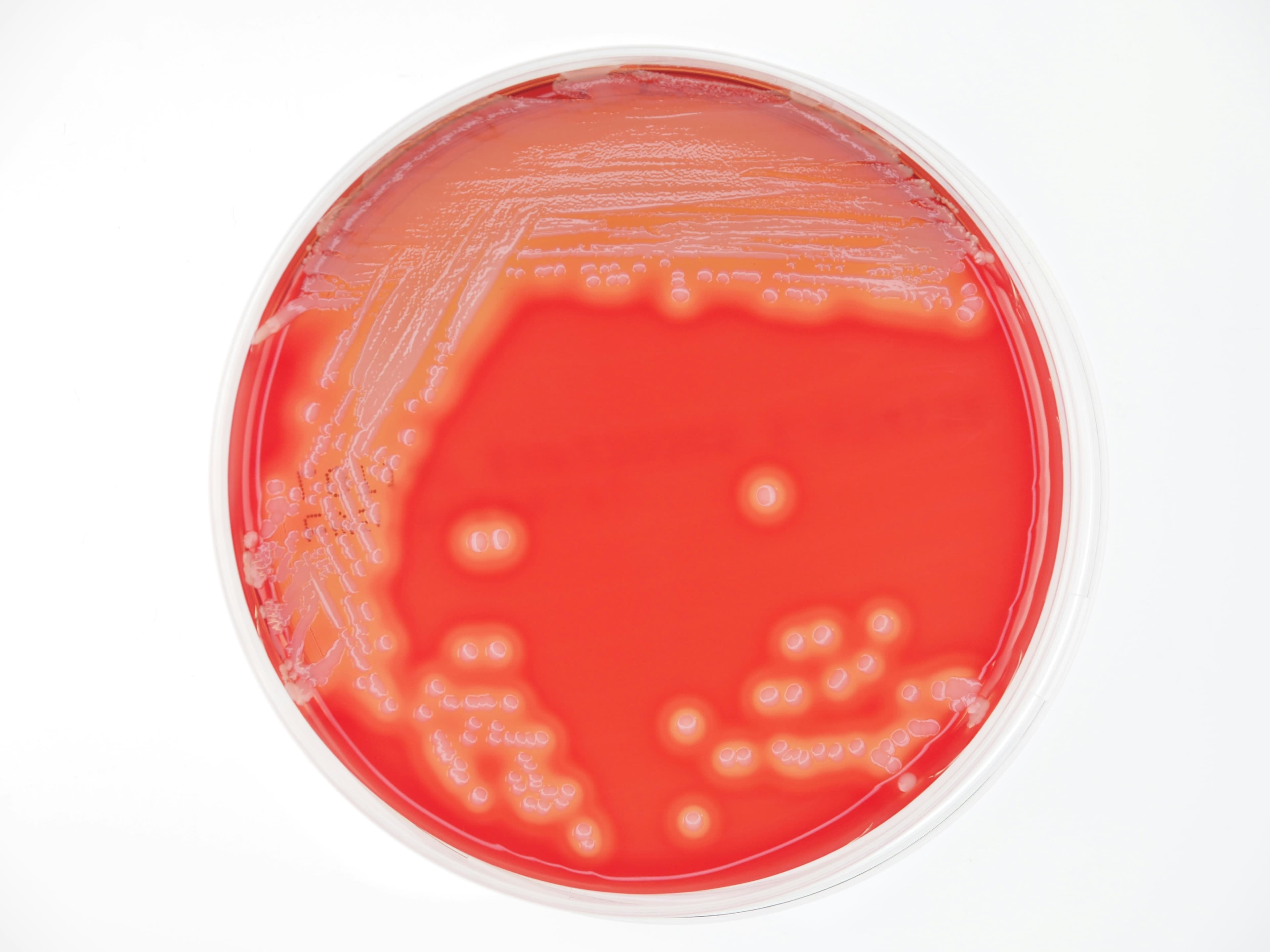
Going beyond "zero sugar" to explore how monk fruit sweetener might support your digestive wellness.
The conversation around sugar alternatives has shifted from just "low calorie" to "how does this affect my gut?" With gut health tied to so many aspects of wellness, it’s a question worth asking. Let’s dive into what makes monk fruit sweetener unique among sweeteners, especially when it comes to your microbiome.
The Sugar Alcohol Problem: A Gut Microbe Party Crasher
Many popular sugar substitutes, like erythritol, xylitol, and maltitol, are sugar alcohols. Here’s why they can be tricky for your digestion:
They're FODMAPs (Fermentable Oligo-, Di-, Mono-saccharides And Polyols)
They draw water into the intestine via osmosis
They're fermented by gut bacteria, often causing gas, bloating, and discomfort
For 60-70% of people, especially those with sensitive stomachs, they're problematic
If you’re looking for an erythritol-free option, monk fruit sweetener offers a stomach-friendly alternative without these common issues.
Where Monk Fruit Differs: The Mogroside Pathway
Pure monk fruit sweetener contains zero FODMAPs. The sweet compounds, called mogrosides, work differently in your body:
Poor absorption in the small intestine
Travel to the colon largely intact
Act as prebiotics for specific beneficial bacteria strains
Emerging Research Highlights:
A 2022 study in the Journal of Agricultural and Food Chemistry found mogrosides increased the abundance of Lactobacillus and Bifidobacterium in mouse models—two strains important for gut barrier function.
Unlike artificial sweeteners like sucralose or aspartame, which some studies suggest may negatively alter gut bacteria, monk fruit appears to have a neutral or potentially beneficial effect.
Since it’s not fermented aggressively, it doesn’t typically cause the gas and bloating associated with sugar alcohols.
The Tapioca Fiber Factor (In Our Powder)
Our monk fruit powder with tapioca fiber includes organic tapioca fiber (resistant dextrin). This is a soluble prebiotic fiber, which means:
It resists digestion in the small intestine
It feeds beneficial bacteria in the colon
It can help promote regularity without the harshness of insoluble fiber
It has a very low likelihood of causing gas compared to other fibers like inulin
Important distinction: This is different from regular tapioca starch. The fiber version is specifically processed to be stomach-friendly, making it a great choice for a sugar-free, zero-calorie sweetener.
Monk Fruit vs. Other "Gut-Friendly" Sweeteners
Sweetener | FODMAP Status | Prebiotic Effect | Common Gut Reactions |
|---|---|---|---|
Monk Fruit (Pure) | Low FODMAP | Emerging evidence suggests yes | Rare, usually well-tolerated |
Erythritol | High FODMAP | No | Gas, bloating common |
Allulose | High FODMAP in large doses | No | Laxative effect in >15g |
Stevia | Low FODMAP | Minimal research | Usually fine, aftertaste is bigger issue |
Honey | High FODMAP (fructose) | Yes (raw) | High fructose can cause issues |
Practical Tips for a Happy Gut
Start Slow: If you’re new to monk fruit sweetener or have a sensitive gut, begin with smaller amounts (2-3 drops of infusion, ½ tsp of powder) and see how you feel.
Pair with Probiotics: Try using this keto-friendly, zero-calorie sweetener to sweeten plain kefir, yogurt, or fermented foods to complement their benefits.
The Fiber Balance: If you’re using our monk fruit powder with tapioca fiber regularly, make sure you’re drinking enough water, as the fiber works best with proper hydration.
Listen to Your Body: Everyone’s microbiome is unique. What works for most might not work for you. While monk fruit is generally stomach-friendly, individual responses can vary.
The Holistic View
Gut health isn’t just about one ingredient—it’s about your overall lifestyle. Swapping out 40 grams of daily sugar (which can feed harmful bacteria) with a sugar-free, low-carb option like monk fruit sweetener creates a better environment for your microbiome to thrive, no matter its specific prebiotic potential.
Always consult with a healthcare provider about specific gut health concerns. This article is for informational purposes based on current research.
Interested in trying our stomach-friendly, erythritol-free sweetener? Learn about our ingredients and sourcing here.
Have you noticed changes in your digestion since switching to a keto-friendly sweetener? Share your experience in the comments—community knowledge helps everyone!
Share this article
About the Author
Lamonko Team is passionate about natural health and wellness. Our team shares insights, recipes, and tips to help you live a healthier, more balanced life with natural sweeteners.