The Mindful Sweetness Method: Rewiring Your Relationship with Sugar
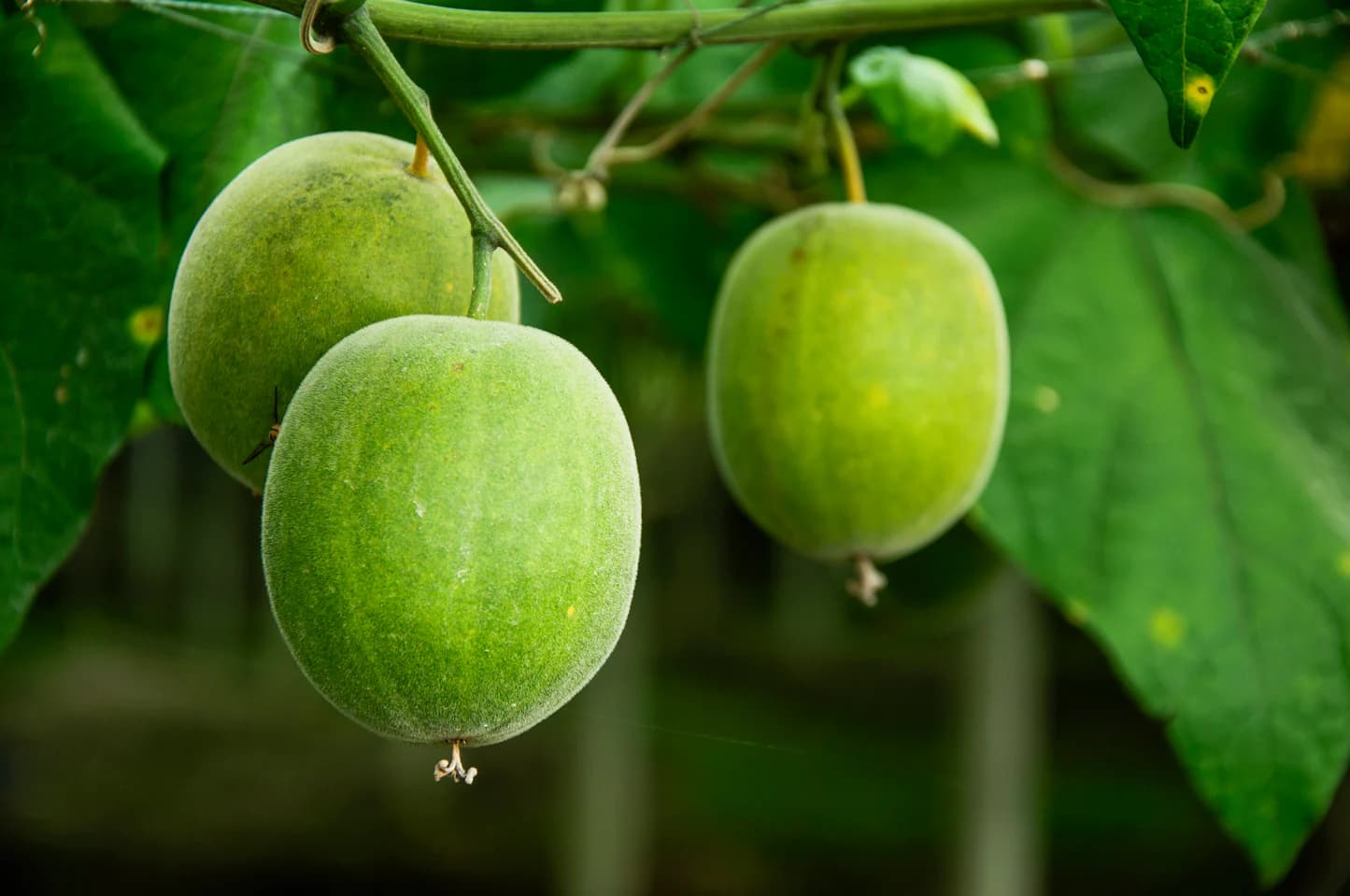
How changing your sweetener can transform more than just your recipes—it can shift your entire approach to eating.
In kitchens around the world, a quiet revolution is happening. It's not about another restrictive diet or a new "superfood," but about something more fundamental: changing our relationship with sweetness itself. For many, switching from sugar to alternatives like monk fruit has become less about carbohydrate counts and more about consciousness, choice, and breaking automatic patterns.
The Psychology of the Sugar Habit
Sugar consumption often operates on autopilot. The afternoon biscuit with tea, the dessert after dinner, the sweetened coffee each morning—these become ingrained rituals. Research in behavioral psychology suggests that these habits form a loop: cue (3 PM energy dip), routine (reach for something sweet), reward (brief dopamine boost).
The challenge with breaking sugar habits isn't just physiological—it's psychological. The ritual itself provides comfort, and removing it entirely can create a sense of deprivation that often backfires.
Monk Fruit as a Transition Tool, Not Just a Substitute
This is where monk fruit offers something unique: it allows for ritual preservation while changing the metabolic impact. You can still have:
Something sweet in your afternoon tea
A dessert after dinner
A sweetened morning beverage
But the substance creating the sweetness interacts with your body differently. This distinction matters because it addresses the habit loop at the "routine" level without triggering deprivation psychology.
The Three-Phase Palate Reset
Transitioning to monk fruit often follows a noticeable pattern:
Phase 1: The Conscious Comparison (Days 1-14)
Initially, many notice monk fruit tastes "different" from sugar—because it is. This phase involves conscious adjustment rather than automatic consumption. You think about sweetness rather than just experiencing it. This mindfulness itself begins to break the autopilot habit.
Phase 2: The Sensitivity Shift (Weeks 3-6)
As your taste buds adjust, natural foods begin tasting sweeter. A ripe strawberry might satisfy what previously required chocolate. The intense sweetness of regular soda or cake might start tasting overwhelming rather than appealing. This isn't just imagination—research suggests taste receptors can become more sensitive when less bombarded with intense sweet stimuli.
Phase 3: The Intentional Choice (Month 2+)
Sweetness becomes a deliberate choice rather than a default. You might choose a monk fruit-sweetened treat because you want the experience of something sweet, not because you're craving sugar. The psychological drive begins to separate from the physiological response.
Creating New Rituals Around Sweetness
The most successful transitions often involve creating positive new rituals:
The Mindful Morning Cup:
Instead of automatically sweetening your coffee, try this: Take the first sip plain. Notice its natural bitterness and complexity. Then add your monk fruit infusion—one drop at a time—tasting between additions. Stop when it's pleasantly sweet, not maximally sweet. This 60-second practice transforms automatic action into conscious choice.
The Dessert Redefinition:
What if "dessert" wasn't necessarily sweet? Some families have shifted to calling their after-dinner course "the closer"—which could be a small sweet treat, a piece of excellent cheese, a few squares of dark chocolate, or even a beautifully presented herbal tea. Monk fruit-sweetened options become one choice among several, not the default.
The Baking Meditation:
The act of baking itself can be the ritual, with the sweetened result being secondary. The measuring, mixing, and creating provide satisfaction. Using monk fruit in these baking projects allows you to enjoy the process and share the results without the sugar aftermath.
Why This Approach Matters for Long-Term Change
Most dietary changes fail because they're based on restriction. "Don't eat sugar." "Avoid sweets." This mindset triggers psychological reactance—we want what we can't have.
The mindful sweetness approach flips this script. It's not about restriction; it's about conscious selection. It's not "you can't have sweet"; it's "you can choose how you experience sweet."
The Unexpected Benefit: Rediscovering Other Flavors
Many who transition to monk fruit report a delightful side effect: they begin noticing and appreciating other flavors more. Without overwhelming sweetness:
Spices like cinnamon, cardamom, and nutmeg emerge in baking
The natural sweetness of vegetables like roasted carrots or caramelized onions becomes more pronounced
The complexity of good coffee or tea becomes noticeable
The tartness of berries provides its own pleasure
Sweetness becomes one note in a flavor symphony rather than the entire orchestra.
A Tool, Not a Solution
It's important to note that monk fruit isn't a magical solution for sugar dependency. It's a tool—one of many in a toolkit for mindful eating. Other tools might include:
Recognizing emotional versus physical hunger cues
Ensuring adequate protein and healthy fats to maintain energy
Addressing sleep and stress, which often drive sugar cravings
Practicing true mindful eating without distractions
But as a tool, monk fruit offers something valuable: it allows you to change your relationship with sweetness without declaring war on it. And sometimes, that gentle approach is exactly what leads to lasting change.
Interested in exploring mindful sweetness? Our Monk Fruit Infusion allows for drop-by-drop control, perfect for conscious adjustment. [Discover the infusion here.]
Note: This article discusses general psychological patterns and is not a substitute for professional advice regarding eating behaviors or health concerns.
Share this article
About the Author
Lamonko Team is passionate about natural health and wellness. Our team shares insights, recipes, and tips to help you live a healthier, more balanced life with natural sweeteners.